GST 2.0: Tax Cuts Boost Consumption, Set to Lift India’s GDP
- Ram Siddharth
- Oct 24, 2025
- 1 min read

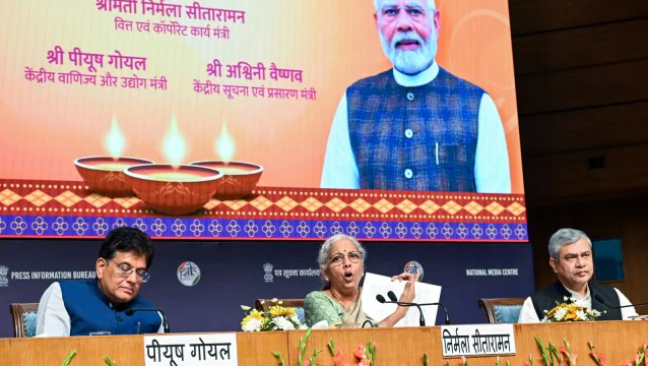
India’s latest GST 2.0 reforms, rolled out on September 22, are already making waves across markets. The government says the rate cuts are reaching consumers, leading to a sharp jump in sales, especially in electronics, FMCG, and daily-use items — a trend that could soon reflect in GDP growth for FY 2025-26.
At the “GST Bachat Utsav,” Finance Minister Nirmala Sitharaman, along with Piyush Goyal and Ashwini Vaishnaw, highlighted how simplified tax slabs (now just 5% and 18%, plus a 40% demerit rate) have made the system “nimble” and consumer-friendly.
Sitharaman noted that prices have dropped across 54 essential items, including milk, shampoo, talcum powder, diapers, and kitchenware, proving that businesses have passed on GST benefits. Exceptions are limited to a few Portland cement brands.
Vaishnaw pointed to a 20–25% jump in Navratri sales, record electronics demand, and deflating food prices. With consumption expected to rise over 10% (₹20 lakh crore) this year, the surge is likely to fuel investments and strengthen growth momentum.
Commerce Minister Goyal added that the combined ₹2.5 lakh crore tax relief—both direct and indirect—has already created a multiplier effect across industries, attracting foreign investors anticipating a demand boom.
From rate simplification to price transparency, GST 2.0 is shaping up as a major consumption-driven growth story for India.

Comments